
 Campus
Nature Walks Join the Weekly Timetable
Our green campus becomes an outdoor classroom, one careful observation at a time.

05 March 2026 · By the Editorial Team · 5 min read
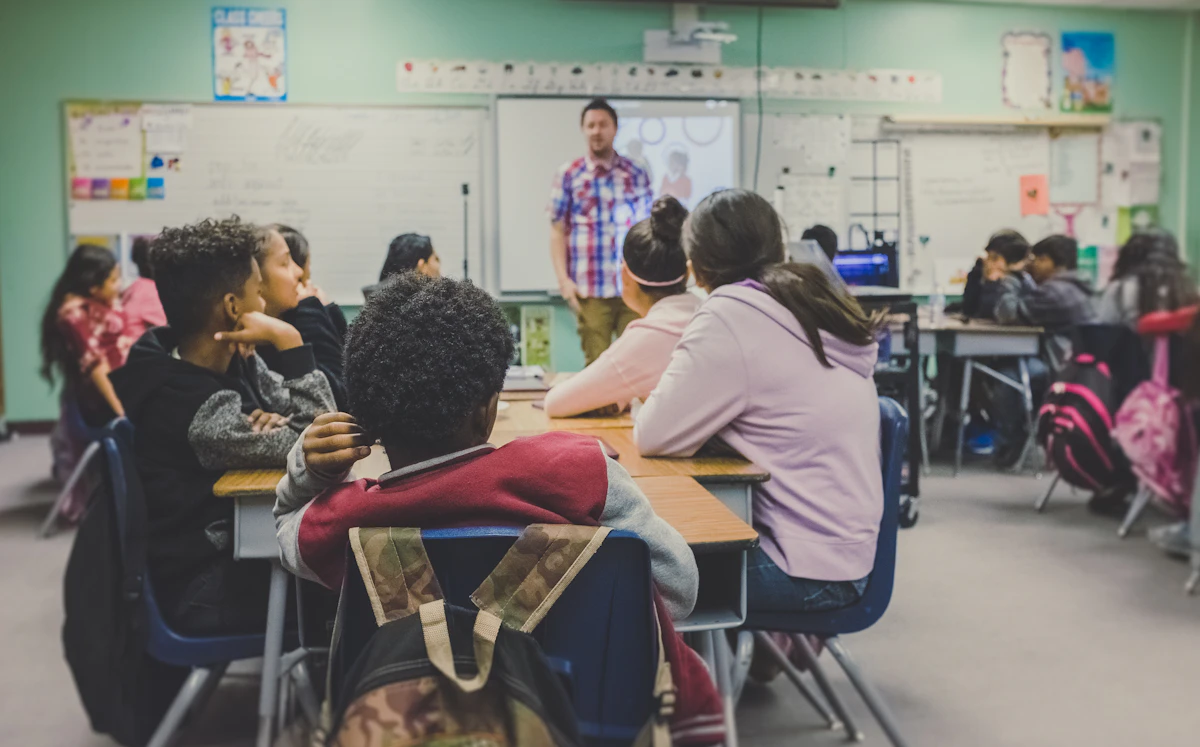
When families first hear that Good Shepherd Global is a homework-free school, the question that follows is almost always the same: then when does the learning happen? It is a fair question, and the honest answer is that it happens where it should — inside the classroom, in the hours the children are already with us, with a teacher beside them.
Childhood should be filled with exploration, creativity and meaningful family time. A homework-free environment is not a lowering of expectations. It is a decision about where the work belongs, and about what an evening at home is for.
Because nothing is deferred to the evening, the school day has to carry the full weight of the learning — and so it is built with unusual care. Long, uninterrupted work periods let children settle into deep concentration rather than being pulled between short, fragmented lessons. Activities are guided, collaborative and hands-on, so that understanding is built through doing rather than through repetition at a kitchen table hours later.

Activities are engaging, collaborative and guided — so children leave school with the work already finished and understood.
The most visible difference is in the evening. There is no worksheet waiting, no negotiation over when it will be started, and no tired child working through something they did not fully follow in class. What families tell us instead is that dinner conversation changes: children talk about what they made, noticed or wondered about, because those things are still fresh and unfinished in their minds rather than closed off by an exercise.
That matters for more than mood. Free play, rest and unhurried family time are not extras in the early years — they are where language, imagination and emotional security are built. A child of six who has spent an evening telling stories, building something, or simply being read to has not lost ground. They have been learning the whole time.

Every child learns differently. We record what we observe across nine strands of growth and share it with families through the year — no ranks, no exam pressure.
“A homework-free school is not a school that asks less of children. It is a school that finishes what it starts — and then gives childhood back to the child.”
Teachers notice the difference too. Without homework to correct, our educators spend that time observing, preparing materials and planning for individual children. Skill-based assessment depends on exactly that kind of attention: knowing which child is ready for the next step, and which needs one more week with the same work.
This is one of the ways we carry Learning Beyond Classrooms. Growing Beyond Expectations. into every corner of the school day. We warmly invite families to see it for themselves on our next campus visit day.
Campus
Our green campus becomes an outdoor classroom, one careful observation at a time.
 Admissions
Applications are open for Kindergarten, Grade 1 and Grade 2. Here is everything families need to know.
 Communication
Why we start with listening and speaking — and how drama turns quiet children into confident communicators.
Discover how Good Shepherd Global nurtures your child's curiosity, confidence and communication on a homework-free, nature-rich campus. Seats are limited across Kindergarten, Grade 1 and Grade 2.